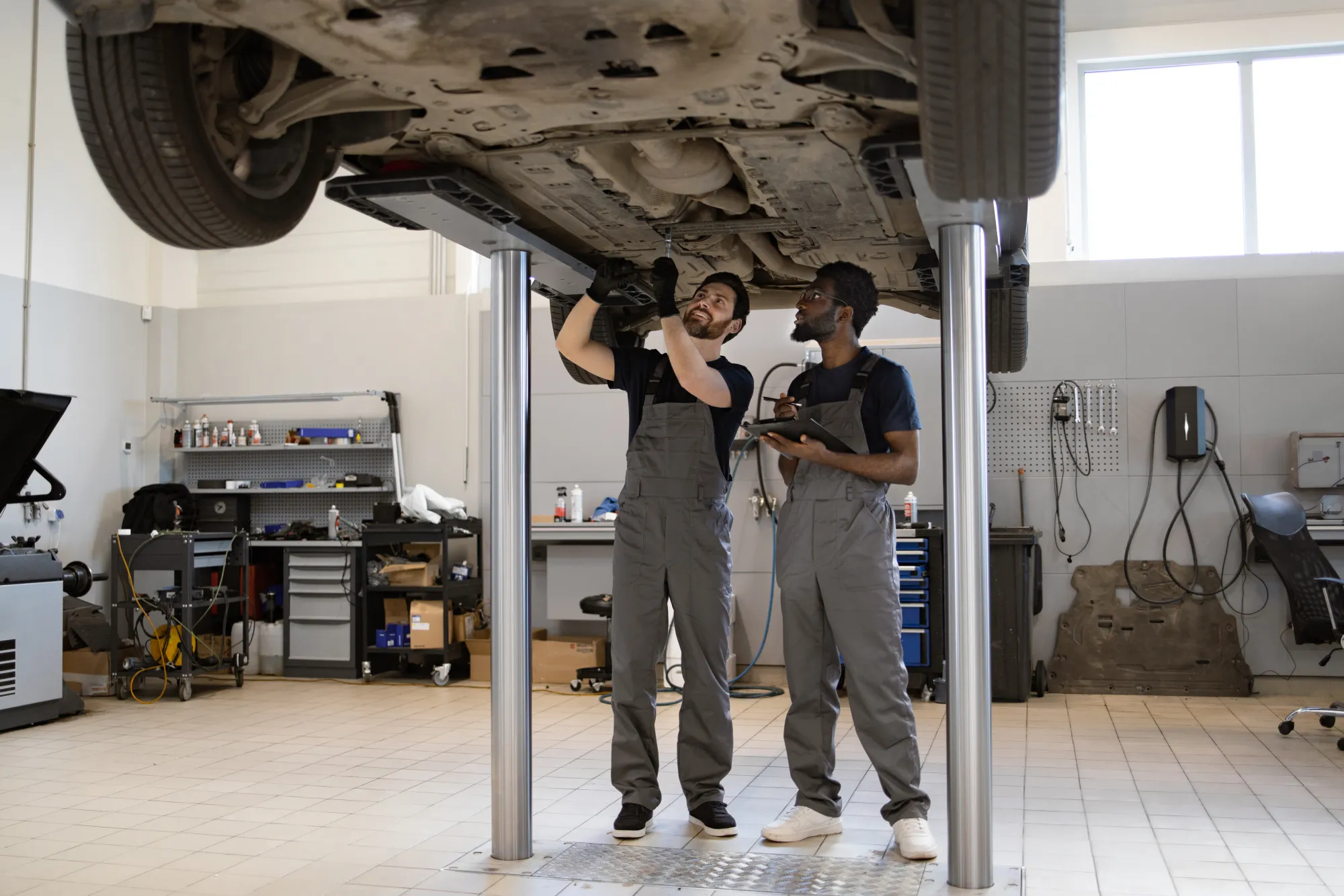
If your car pulls to one side when braking, the brakes on the left and right sides may not be producing equal force. Common causes include a sticking brake caliper, uneven brake-pad contact, a restricted brake hose, or oil, grease, or brake fluid on a pad or rotor.
Tire, alignment, steering, and suspension problems can also cause or worsen the pull. Since the direction of the pull does not identify the faulty part by itself, schedule a prompt inspection instead of replacing parts based on a guess.
What Does Brake Pull Mean?
Disc brakes use hydraulic pressure to move the calipers. The calipers press the brake pads against the rotors, creating friction that slows the wheels. To keep the vehicle tracking straight, the brakes on opposite sides of an axle need to apply and release at roughly the same rate. For a quick overview of the system, see How Do Brakes Work? A Simple Guide from Tire Depot.
When one wheel produces more or less braking force than the wheel across from it, the vehicle may drift, tug, or jerk sideways. You might barely notice the pull during light braking, then feel it more clearly when you press the pedal harder.
The timing of the symptom offers useful clues:
- The vehicle tracks straight until you brake: Uneven brake operation is a likely possibility.
- The vehicle pulls while cruising and braking: Tires, alignment, steering, or suspension may be contributing.
- The vehicle keeps pulling after you release the pedal: One brake may be dragging because of a caliper or hydraulic problem.
If your car pulls right when braking, that does not necessarily mean the right-side brake is defective. The same is true when a car pulls left when braking. The direction helps with diagnosis, but both sides still need to be checked.
Could a Sticking Brake Caliper Cause the Pull?
Yes. A sticking brake caliper can fail to apply fully, remain partly engaged, or move unevenly across the rotor.
The caliper piston and slide mechanism should move freely. If the piston sticks or the slide pins seize, the pads may not press against the rotor evenly. That brake may produce less force than the brake on the opposite side. It may also continue dragging after you release the pedal.
Signs that may point to a caliper problem include:
- One pad wearing much faster than the others
- One wheel being harder to rotate than the wheel across from it
- A noticeable heat difference between wheels
- A hot or unusual brake smell
- Pulling that gets worse after repeated braking
For example, an inner pad that is much thinner than the outer pad may indicate that the piston or sliding mechanism is not applying and releasing properly.
Wheel temperature can provide another clue, but a hot wheel does not prove the caliper is at fault. A restricted brake hose can trap hydraulic pressure and keep the brake applied, so the technician will need to test further.
How Does Uneven Brake-Pad Contact Cause Pulling?
Brake pads need to sit correctly and contact the rotors consistently. If one side has less contact, or a different type of contact, the vehicle may pull when the brakes are applied.
Possible causes include:
- Binding caliper slide pins
- Loose or damaged caliper hardware
- A caliper that does not move squarely
- Uneven pad wear
- Different friction materials from side to side
- Contaminated pads or rotors
Loose hardware may let a pad shift or press against the rotor incorrectly. Pads made from different friction materials can also react differently under braking. Even when plenty of pad material remains, the wear pattern can reveal a mechanical problem.
Simply installing new pads may not fix a car that pulls when braking. If seized slides, damaged hardware, a restricted hose, or another fault caused the uneven wear, that underlying problem also needs attention.
Can a Restricted Brake Hose Mimic a Bad Caliper?
Yes. A flexible brake hose can develop an internal restriction even when it looks normal from the outside. The damaged section may limit the flow of brake fluid or act like a one-way valve.
That can affect the brake in several ways:
- The restriction may reduce pressure to the wheel, causing weak brake application.
- Pressure may reach the caliper but release too slowly.
- The wheel may remain difficult to turn after the pedal is released.
These symptoms can look much like a sticking caliper. Replacing the caliper without checking hydraulic pressure and brake release may leave the original pulling or dragging problem unresolved.
A proper inspection should determine if the caliper is binding mechanically or if the hose is trapping pressure.
Can Oil, Grease, or Brake Fluid Cause Brake Pull?
Oil, grease, or brake fluid on a brake pad or rotor changes the amount of friction at that wheel. The contaminated brake may grab, apply weakly, or respond differently from the brake on the other side.
Contamination can come from a leak, improper handling, or lubricant reaching the braking surface. Since the friction difference becomes noticeable when the brakes are applied, this problem can feel like a brake pull rather than a typical alignment issue.
The inspection should identify the affected parts and find the source of the contamination. Cleaning visible residue without correcting the leak or other source may allow the problem to return.
Could Tires, Alignment, Steering, or Suspension Be Involved?
A pull during braking does not always start with the brakes. Tire and chassis problems can create a steady drift or make a small braking imbalance easier to feel.
The inspection may need to cover:
- Tire pressure and overall condition
- Mismatched tire sizes
- Wheel alignment
- Wheel-bearing condition or adjustment
- Worn steering or suspension parts
Alignment problems more often cause pulling during regular driving, although braking may make the symptom stronger. Differences in tire pressure or tire size can have a similar effect.
Pay close attention to when the pull begins. If the vehicle tracks normally while cruising but darts right as soon as you press the pedal, the brakes deserve close inspection. If it drifts most of the time, the tires, alignment, steering, and suspension should also be checked.
What Should a Brake-Pull Inspection Check?
Diagnosing brake pull takes a side-to-side comparison. The technician should inspect both sides of the affected axle, even if the vehicle consistently pulls in one direction.
Depending on the symptoms, the inspection may include:
- Confirming when the pull occurs. A road test, when appropriate, can help separate a brake-related pull from a constant drift.
- Checking the tires. The technician should compare pressure, size, condition, and visible wear.
- Comparing brake-pad wear. Uneven wear from the inner pad to the outer pad, or from one side of the vehicle to the other, may indicate caliper, slide, or hardware trouble.
- Inspecting caliper movement and hardware. The piston, slide pins, pad fit, and related hardware should move freely and sit correctly.
- Checking for wheel drag and heat differences. These clues can help identify a brake that remains applied, but they need to be considered alongside the other findings.
- Evaluating the brake hoses. Hydraulic testing can help distinguish a restricted hose from a mechanically sticking caliper.
- Inspecting the friction surfaces. Pads and rotors should be checked for uneven contact, mismatched materials, and contamination.
- Checking related chassis parts. Steering, suspension, wheel-bearing, and alignment conditions may need attention when the pull is not limited to braking.
This approach finds the cause without assuming that a car pulls left when braking because the left side is faulty, or that a rightward pull automatically calls for right-side parts.
What Should You Do If Your Car Pulls When Braking?
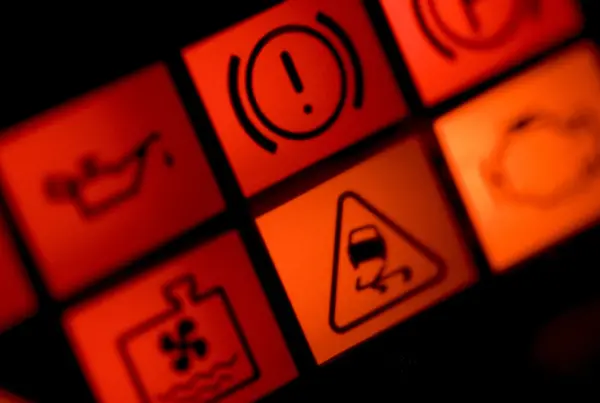
Arrange an inspection soon, especially if the pull is getting stronger or comes with excessive heat, a brake odor, smoke, a soft pedal, or a warning light. Limit driving if the vehicle is difficult to control or if a wheel seems to stay partially braked after you release the pedal.
For drivers in Brandon, Byram, and throughout the Jackson metro area, Tire Depot can inspect the brake components and related conditions that may be causing the pull. Once the source is identified, the shop can explain the findings, recommend the appropriate next step, and provide a current quote.